


Farmers must shape agricultural technology from the outset
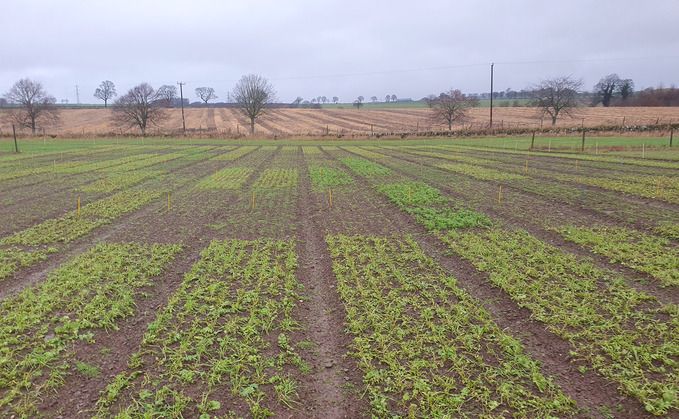
The importance of putting farmers at the heart of agricultural innovation was highlighted during a recent British On-Farm Innovation Network (BOFIN) webinar, which explored how closer collaboration between growers, researchers and technology developers could accelerate the adoption of new ideas. Held as part of AgriTech Week, the discussion focused on the need to move beyond developing technology in isolation and instead involve farmers in identifying challenges, designing trials and evaluating whether new solutions work under real commercial conditions.
BOFIN founder Tom Allen-Stevens said the network aimed to give farmers a more active role in the innovation process through its new Launchpad service, which connects technology developers with farmers to carry out on-farm trials. “Our belief is that farmers can do good science on-farm, but you should pay them to do so, and that is when you get results,” he said.
Putting farmers at the centre of research
Launchpad is designed to support innovators in co-designing trials, recruiting suitable farmers, establishing research protocols and collecting data in commercial farming environments. The approach recognises that farmers bring valuable practical knowledge to the research process, helping ensure that technologies are tested against genuine challenges and the realities of running a farm business.
Daniel Kindred, of the Agronomy Research Circle, said agricultural research needed to move away from a traditional, linear approach in which scientists developed findings before passing them on to growers. Instead, he argued, knowledge exchange should work in both directions. “The reality is it is much more circular,” he said. “To me, that knowledge exchange is important to get the knowledge from the farmers up the chain to the researchers and actually make the wisdom known on-farm and shared over the fence, actually known by the whole industry.”
Technology must deliver practical benefits
For East Yorkshire farmer Adam Haywood, the success of agricultural technology ultimately comes down to whether it provides information that can be used to make better decisions. Reflecting on his experience of on-farm projects, he highlighted the limitations of a soil-monitoring initiative in which sensors collected data that could not easily be exported or integrated into existing systems.
“The information was not usable. I just could not export it anywhere. It showed me one thing, then I forgot about it until the straw chopper found it,” he said. However, he also highlighted a wildlife-monitoring project as an example of technology delivering genuine value. Using a simple recording device, the project identified bird species in specific areas and allowed farmers to assess how changes in field management affected wildlife. “It was excellent, with a super simple little recording device that processed how many bird species were in a certain area. You could also measure what you did in that field in that specific area,” he said.
The contrasting experiences underline the importance of usability, compatibility and clear outcomes when developing new technology. Collecting data is not enough on its own; farmers need to be able to access, understand and apply the information. Mr Haywood also raised concerns about subscription-based technology, warning that growers could become frustrated when features on machinery or software required additional payments to unlock.
Start with the problem, not the technology
Emma Chapelhow, chief operating officer at Agribot, said developers and researchers should focus on making incremental improvements to genuine farming problems, rather than creating technologies that promise to do everything. She highlighted the disconnect that can exist between farmers and innovators, arguing that greater collaboration was needed to turn identified challenges into practical solutions.
“Let's stop just pointing it out and actually do something about it,” she said. Ms Chapelhow added that involving farmers from the beginning, as encouraged through Defra's ADOPT programme, could help build trust, demonstrate the impact of new technologies and improve the chances of successful adoption. By working alongside farmers throughout the development and testing process, researchers and technology businesses can gain a better understanding of what is needed, while growers can help shape solutions that fit their businesses.
Shaping the future of agricultural innovation
As technology continues to play an increasingly important role in agriculture, collaboration between farmers, researchers and developers will be essential to ensuring innovation delivers practical results. From precision farming and automated monitoring to data management and artificial intelligence, new tools have the potential to improve productivity, efficiency and sustainability. However, their success will depend on whether they address real-world challenges and provide clear value to the businesses adopting them.
This is a key focus for CropTec, which brings together growers, agronomists, researchers and technology providers to explore the latest developments shaping the future of arable farming. By creating opportunities to exchange knowledge, see new innovations and discuss the challenges facing the sector, CropTec aims to help ensure that the technologies shaping tomorrow's farms are grounded in the needs of farmers today.
CropTec 2027 takes place alongside LAMMA at the NEC Birmingham on 20–21 January 2027.